A mountain gorilla trek in Rwanda and Uganda is one of the most extraordinary wildlife experiences in Africa, offering travelers the rare opportunity to enter the natural habitat of endangered mountain gorillas and observe these remarkable primates at close range. The lush forests of Rwanda’s Volcanoes National Park and Uganda’s Bwindi Impenetrable National Park provide two of the world’s most important destinations for gorilla trekking. With mist-covered mountains, ancient rainforest, diverse wildlife, and intimate encounters with habituated gorilla families, a Rwanda and Uganda gorilla safari combines adventure, conservation, culture, and unforgettable scenery. For travelers looking to experience this once-in-a-lifetime journey, Rock Journeys can help create a carefully planned itinerary that combines gorilla trekking with other highlights of East Africa.
What Is a Mountain Gorilla Trek?
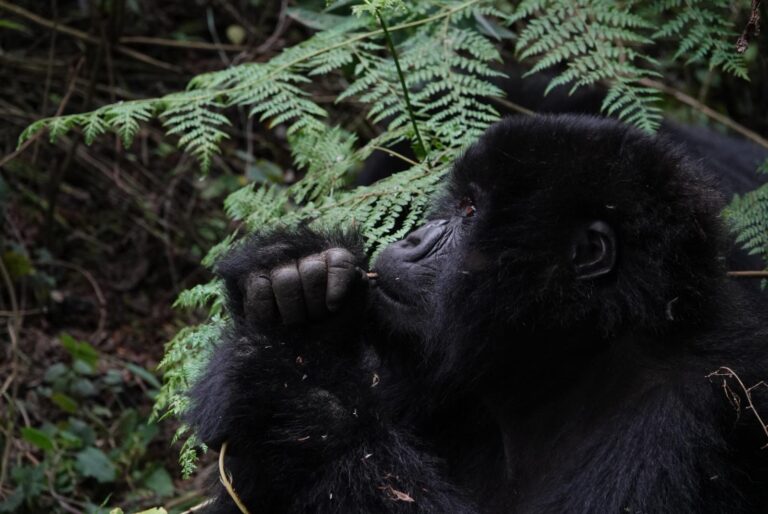
A mountain gorilla trek involves hiking through dense montane rainforest in search of a habituated gorilla family. Unlike a conventional game drive where visitors observe animals from a vehicle, gorilla trekking takes place on foot, making the experience much more immersive. Trekkers are accompanied by trained guides, trackers, and park personnel who understand the movements and behavior of different gorilla groups. The exact duration and difficulty of a trek can vary considerably because gorillas move freely through their natural environment. Some groups may be found relatively close to the trailhead, while others can require several hours of hiking through steep terrain and thick vegetation. The reward at the end is an extraordinary encounter with a family of mountain gorillas feeding, playing, resting, climbing, or interacting with one another in their natural forest environment.
Why Choose Rwanda for Gorilla Trekking?
Rwanda has become one of Africa’s premier destinations for a mountain gorilla safari because of the accessibility and dramatic scenery surrounding Volcanoes National Park. Located in the northwest of the country, the park forms part of the Virunga Massif, a chain of volcanic mountains extending across Rwanda, Uganda, and the Democratic Republic of the Congo. Travelers staying in the area can enjoy spectacular views of the Virunga volcanoes while preparing for their gorilla trek. Rwanda is particularly appealing to travelers who want to combine a gorilla experience with Kigali, cultural activities, scenic drives, luxury accommodation, or a broader Rwanda safari. A Rwanda gorilla trek can also fit conveniently into a relatively short itinerary, making the country attractive to visitors with limited time who still want to experience one of Africa’s most iconic wildlife encounters.
Why Choose Uganda for Gorilla Trekking?
Uganda offers a different but equally impressive setting for a gorilla trekking safari. Bwindi Impenetrable National Park is a UNESCO World Heritage Site renowned for its ancient forest, biodiversity, and population of mountain gorillas. The forest landscape is particularly distinctive, with tangled vegetation, steep slopes, streams, vines, and dense greenery creating a genuinely wild trekking environment. Uganda can be an excellent choice for travelers who want to combine gorilla trekking with a longer East African adventure. A Uganda gorilla safari can be paired with chimpanzee trekking in Kibale National Park, wildlife viewing in Queen Elizabeth National Park, boat trips, savannah game drives, or visits to other parts of the country. This makes Uganda especially appealing for travelers seeking a comprehensive Uganda safari and gorilla trekking itinerary rather than a short standalone gorilla experience.
Rwanda vs Uganda Gorilla Trekking
Choosing between Rwanda and Uganda depends on the type of journey you want to experience. Rwanda is often attractive for travelers seeking a relatively compact itinerary, easy access from Kigali, spectacular volcanic scenery, and the possibility of combining gorilla trekking with a broader Rwanda cultural or wildlife journey. Uganda, meanwhile, provides a more expansive safari destination with opportunities to combine Bwindi gorilla trekking with chimpanzee experiences and traditional African game viewing. Both destinations offer extraordinary opportunities to see mountain gorillas in protected natural habitats, and both require travelers to follow strict conservation rules designed to protect the gorillas and their forest environment. Rather than asking which destination is universally better, it is more useful to consider your available time, preferred accommodation style, overall safari interests, fitness level, budget, and desired itinerary.

Volcanoes National Park Gorilla Trekking
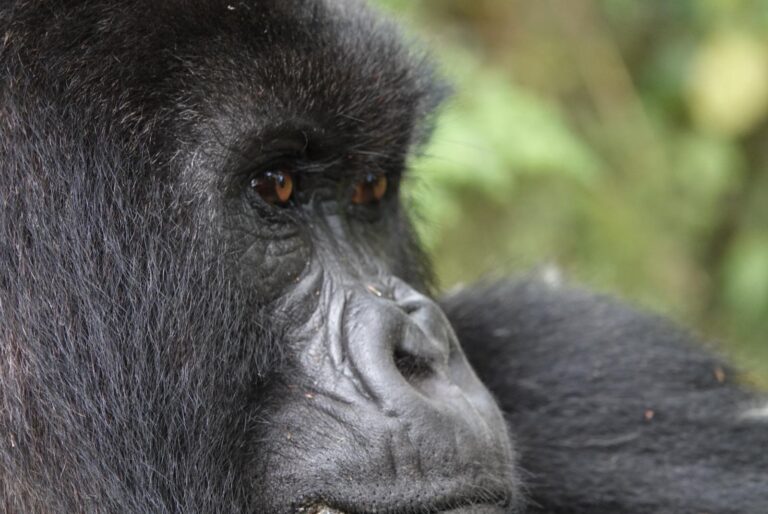
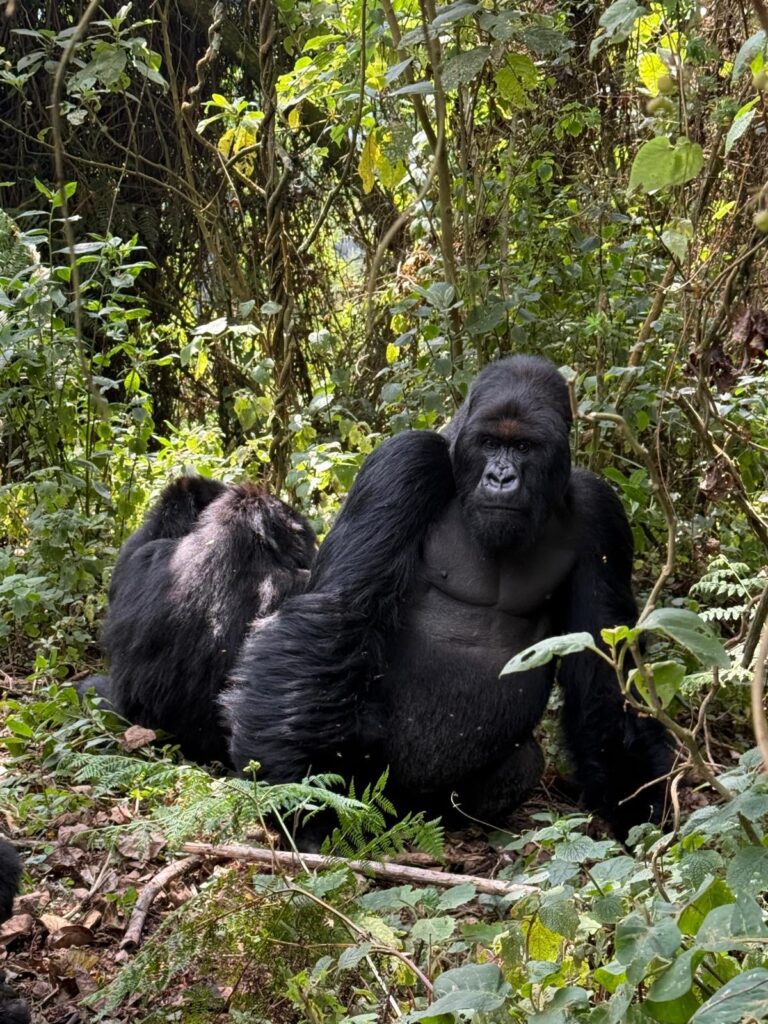
Volcanoes National Park is Rwanda’s best-known destination for gorilla trekking in Rwanda and is located in the spectacular Virunga volcanic landscape. The park protects a portion of the mountain gorilla habitat and provides access to habituated gorilla families that can be visited by travelers under regulated tourism arrangements. The surrounding region offers much more than gorillas. Visitors can explore local communities, experience Rwandan culture, enjoy views of the volcanic peaks, and undertake other nature-focused activities depending on their itinerary. A trek through the forest can be physically demanding, but the changing vegetation, cool mountain air, and possibility of encountering gorillas make every stage of the journey memorable. For many visitors, the first sight of a silverback emerging through the vegetation becomes the defining moment of their Rwanda wildlife safari.
Bwindi Impenetrable National Park Gorilla Trekking
Bwindi Impenetrable National Park is one of the world’s most famous destinations for a mountain gorilla trekking experience. The park’s name reflects its dense, ancient rainforest, which can make hiking challenging but also creates an exceptionally atmospheric setting for wildlife encounters. Trails can pass through thick vegetation and steep terrain, so trekkers should prepare for changing conditions. The forest is home to a remarkable range of biodiversity, and the gorillas are its most famous inhabitants. A Bwindi gorilla safari allows visitors to spend regulated time observing a habituated gorilla family while maintaining a respectful distance and following the instructions of guides and park authorities. For travelers who appreciate remote wilderness, biodiversity, and challenging adventure, Bwindi provides an unforgettable setting.
Gorilla Trekking Permits in Rwanda and Uganda
A gorilla trekking permit is required for visitors who want to participate in a regulated gorilla trek. Permits are limited because controlling visitor numbers is an important part of mountain gorilla conservation and responsible tourism. Permit costs and tourism regulations can change, so travelers should confirm current requirements before booking their trip. Rock Journeys can assist travelers with planning the permit arrangements as part of a complete safari itinerary. Because gorilla permits are limited and popular trekking periods can sell out well in advance, early planning is strongly recommended, particularly for peak travel seasons. A well-organized itinerary should consider the permit date, accommodation location, transportation, trekking conditions, and any additional activities planned before or after the gorilla trek.
Best Time for a Gorilla Trek in Rwanda and Uganda
Gorilla trekking is possible throughout the year in both Rwanda and Uganda, but weather conditions can influence the trekking experience. The forest environments are naturally wet, and rain can occur even during traditionally drier periods. Many travelers prefer the drier seasons because trails may be easier to navigate, but the forests remain unpredictable and conditions can change quickly. The best time for a Rwanda gorilla safari or Uganda gorilla trekking tour therefore depends not only on rainfall but also on your broader travel plans. Travelers who combine gorilla trekking with savannah wildlife viewing should consider the seasonal conditions across their entire itinerary rather than selecting dates based exclusively on the gorilla trek.

How Difficult Is Gorilla Trekking?
One of the most common questions about a gorilla trek in Rwanda and Uganda is how physically demanding it will be. The answer varies significantly because gorillas are wild animals and their location changes from day to day. Treks may involve walking on uneven ground, climbing steep slopes, crossing muddy trails, and moving through dense vegetation. Fitness requirements are therefore important to consider when planning your trip. However, travelers should not assume that every gorilla trek requires extreme athletic ability. Trekking groups are guided, and the pace generally reflects the conditions and group circumstances. Travelers should inform their safari operator about any mobility concerns before the trip so that appropriate planning can be considered.
What to Pack for a Gorilla Trek
Packing correctly can make a significant difference during a gorilla trekking adventure. Essential items generally include sturdy hiking boots with good traction, long trousers, a lightweight waterproof jacket, breathable clothing, gardening-style gloves or trekking gloves, a small backpack, water, snacks, insect repellent, sunscreen, and a camera with sufficient battery power. Because the forest can be wet and muddy, waterproof protection for personal belongings is useful. Long sleeves and trousers can provide additional protection from vegetation and insects. Travelers should avoid carrying unnecessary heavy equipment because the trek can become tiring over several hours. A well-prepared gorilla trekking packing list should prioritize comfort, protection from weather, and practical hiking needs.
What Happens During a Gorilla Trek?
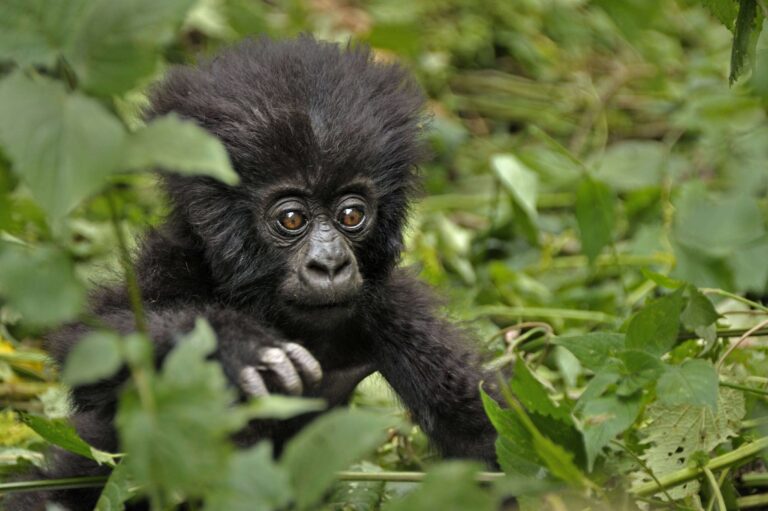
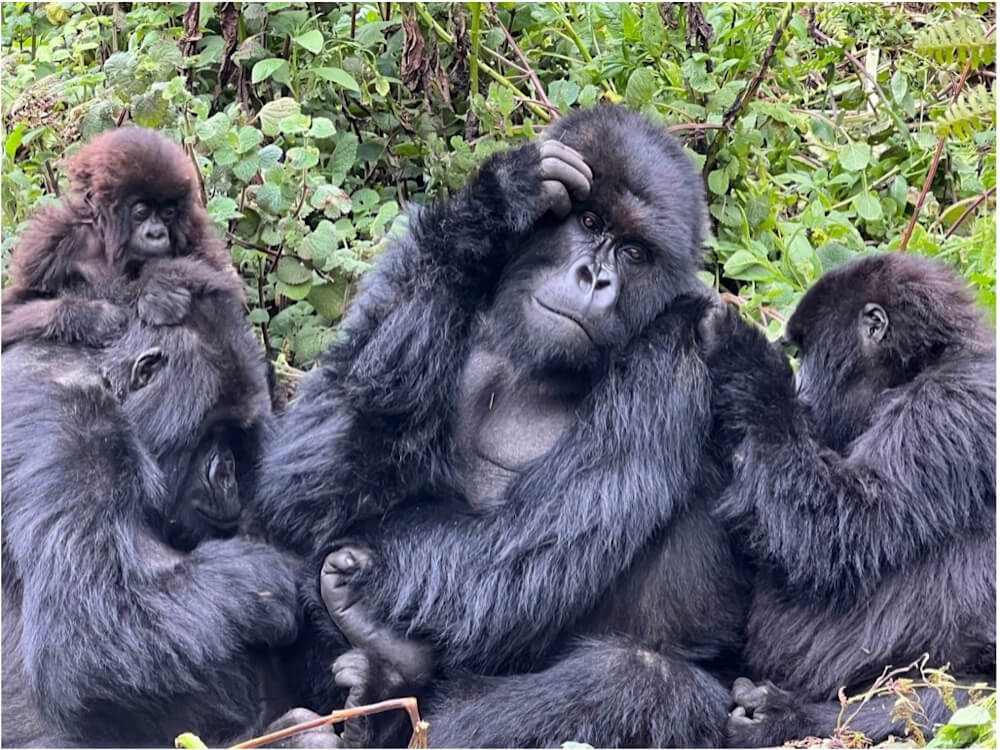
The experience generally begins early in the morning when travelers arrive at the designated park headquarters for briefing and group allocation. Guides explain the trekking rules, safety procedures, conservation principles, and expected behavior around gorillas. Trackers may already be monitoring the movements of different gorilla families, helping guides determine where the animals are likely to be found. Once the trek begins, visitors hike through the forest until they reach the assigned gorilla family. The exact duration can never be guaranteed because the animals determine the route. When the gorillas are located, visitors spend regulated time observing them quietly. Watching a mother care for her infant, young gorillas play around the group, or a powerful silverback monitor his family can provide an intimate glimpse into the social lives of these extraordinary animals.
Gorilla Habituation Experience in Uganda
For travelers seeking an extended wildlife experience, Uganda may also offer the possibility of a gorilla habituation experience, subject to current park regulations and permit availability. Habituation involves spending more time with gorilla groups that are undergoing the process of becoming accustomed to the presence of humans for carefully managed research and tourism purposes. This experience can provide a deeper perspective on gorilla behavior and the conservation work involved in protecting these animals. Because rules, availability, group assignments, and costs can change, travelers interested in a habituation experience should confirm the latest information when planning their Uganda itinerary.
Mountain Gorillas and Conservation
The success of mountain gorilla conservation is one of the most remarkable wildlife stories in Africa. Decades of conservation work, habitat protection, veterinary intervention, scientific research, community engagement, and regulated tourism have contributed to the recovery and protection of the mountain gorilla population. Gorilla tourism plays an important role by generating revenue that supports protected areas and conservation programs while also creating economic opportunities for communities living around the parks. Visitors therefore become part of a broader conservation system when they participate responsibly. Following park rules, maintaining the required distance, avoiding illness exposure, respecting the forest, and never attempting to feed or touch gorillas are essential components of responsible gorilla tourism in Africa.
Gorilla Trekking Rules and Responsible Tourism
Gorillas are susceptible to human illnesses, which is why strict visitor guidelines are essential. Travelers should never approach a gorilla independently, attempt to touch one, use flash photography when prohibited, or behave in a way that disturbs the animals. Anyone who is unwell should follow current park health guidance regarding whether they should participate. Visitors should also avoid leaving rubbish in the forest and should follow the instructions of guides and trackers throughout the experience. Responsible tourism is not simply about having a memorable encounter; it is about ensuring that future generations can experience mountain gorillas in their natural habitat. Rock Journeys can help travelers plan their journey around responsible travel principles so that wildlife welfare and conservation remain central to the experience.
Combining Gorilla Trekking With a Rwanda Safari
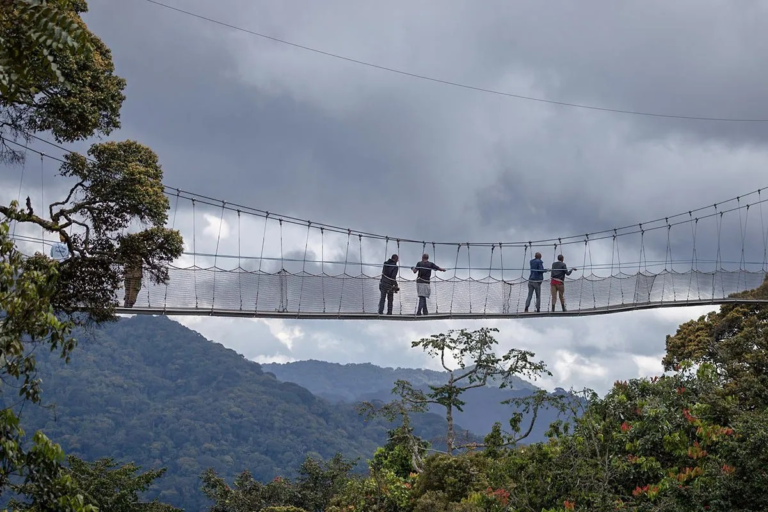
A Rwanda gorilla and safari tour can be expanded beyond Volcanoes National Park to create a more diverse journey through the country. Depending on the itinerary, travelers can visit Akagera National Park for savannah wildlife, explore Nyungwe’s rainforest and chimpanzee experiences, discover Rwanda’s cultural heritage, or spend time exploring Kigali. This creates an itinerary that balances primates, landscapes, traditional safari wildlife, forest adventures, and cultural experiences. For travelers who want more than a single gorilla trek, a multi-region Rwanda itinerary can transform a short wildlife trip into a comprehensive East African adventure.
Combining Gorilla Trekking With a Uganda Safari
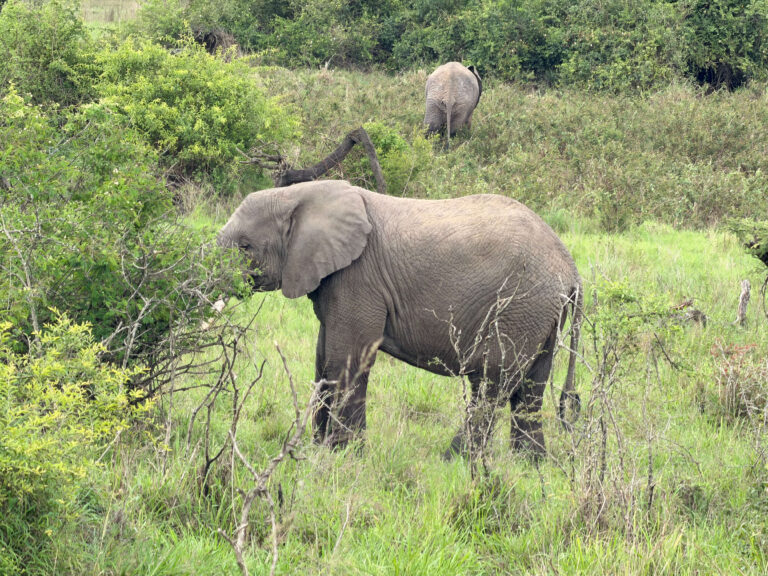
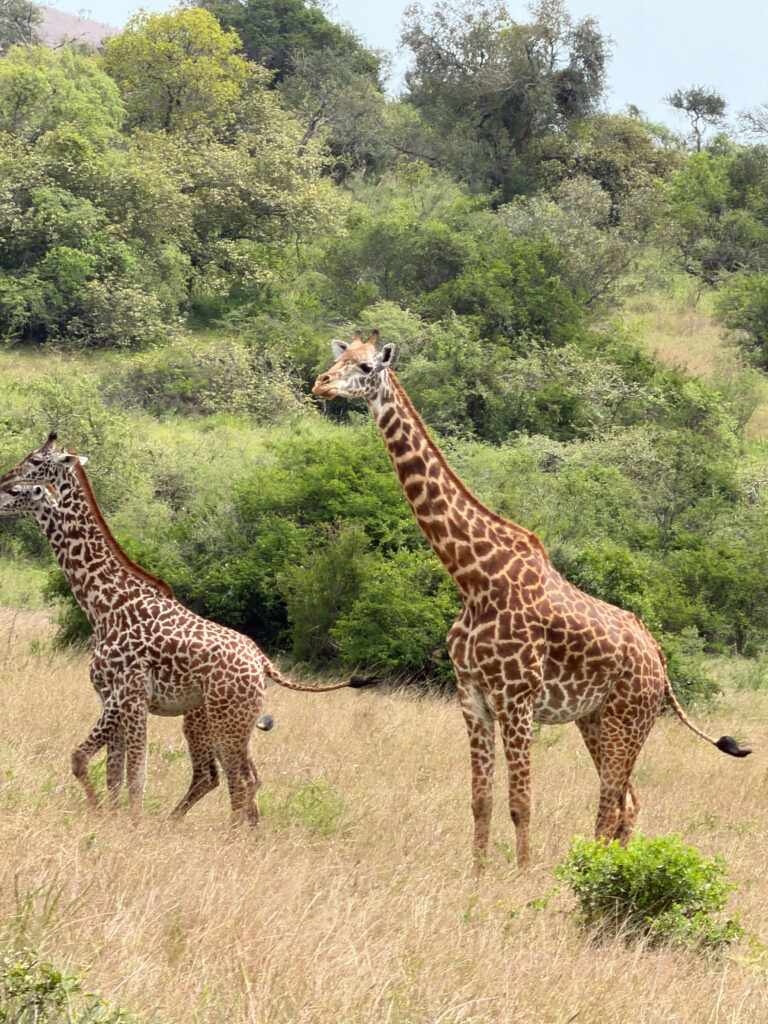
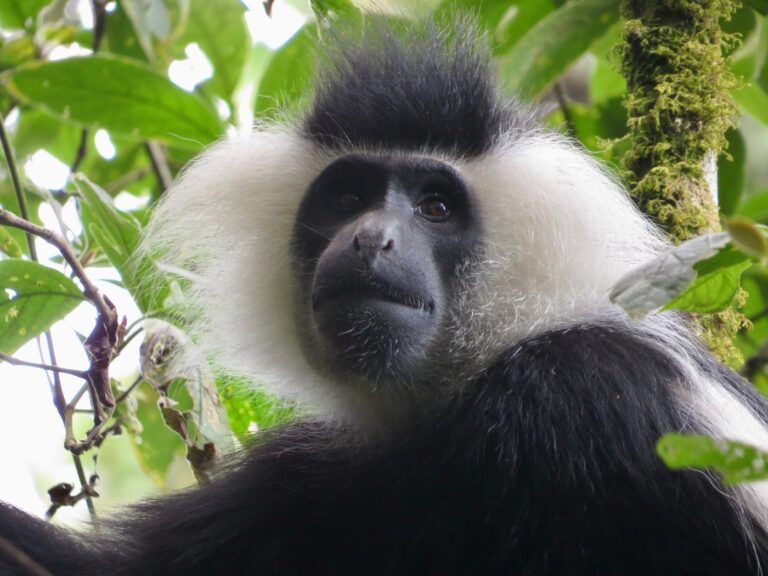
Uganda is particularly well suited to travelers who want to combine primate experiences with traditional safari activities. A Uganda gorilla and wildlife safari can include Bwindi Impenetrable National Park, Kibale National Park, Queen Elizabeth National Park, Murchison Falls National Park, or other destinations depending on the length and style of the trip. Chimpanzee trekking is a popular addition, while savannah parks provide opportunities to search for elephants, lions, buffaloes, antelope, hippos, and numerous bird species. A longer Uganda itinerary can therefore provide a broad introduction to the country’s extraordinary biodiversity while making gorilla trekking the centerpiece of the journey.
Kigali to Volcanoes National Park
For travelers beginning their adventure in Rwanda, Kigali provides an important gateway to the country’s northern gorilla trekking region. The journey from Kigali toward Volcanoes National Park passes through Rwanda’s distinctive countryside, where rolling hills, cultivated landscapes, villages, and changing elevations create a scenic introduction to the country. Many travelers choose to spend time in Kigali before or after their trek, allowing them to experience the capital’s museums, restaurants, markets, and cultural attractions. This makes a Kigali to Volcanoes National Park safari an attractive option for visitors who want a well-rounded Rwanda experience rather than simply arriving for the gorilla trek and departing immediately afterward.
Cross-Border Rwanda and Uganda Gorilla Safari
An ambitious itinerary can combine Rwanda and Uganda gorilla trekking into one East African journey. Since the two countries share access to the Virunga region and are geographically close in some areas, a carefully designed cross-border safari can incorporate both destinations. Such an itinerary requires attention to border procedures, transportation, permits, accommodation, and travel time. It can be particularly appealing to experienced travelers who want to compare the different forest environments and tourism experiences offered by the two countries. Rock Journeys can structure a cross-border itinerary around the traveler’s interests, available time, accommodation preferences, and desired combination of wildlife and cultural activities.
Accommodation for Gorilla Trekking
Accommodation options around Rwanda and Uganda range from comfortable lodges and boutique properties to luxury safari camps and more practical guesthouses. The best accommodation depends on your preferred travel style and the location of your gorilla trek. Staying close to the park can reduce early-morning transportation requirements and make the overall experience more relaxed. Travelers planning a luxury gorilla trekking holiday may choose properties emphasizing views, private rooms, wellness facilities, gourmet dining, and personalized service, while adventure-focused travelers may prioritize proximity to the trailhead and a practical base for hiking. Accommodation should always be selected alongside the permit date because the logistics of reaching the trekking starting point are an important part of itinerary planning.
Photography During a Gorilla Trek
Photography is one of the most rewarding aspects of a mountain gorilla encounter, but it should always be secondary to responsible wildlife viewing. A lightweight camera with a versatile lens can be ideal because the forest environment may provide limited space for movement. Gorilla encounters can happen in shaded vegetation, so photographers should be prepared for changing light. Flash photography should be avoided where prohibited, and visitors must follow the guidance of park personnel. It is also important to remain focused on the experience rather than viewing the entire encounter through a camera screen. Some of the most memorable moments may be those experienced directly rather than photographed.
Gorilla Trekking With Rock Journeys
Planning a mountain gorilla trek in Rwanda and Uganda involves more than booking a permit. Travelers need to coordinate flights, transfers, accommodation, park access, trekking dates, guides, meals, travel insurance, optional wildlife experiences, and potentially cross-border arrangements. Rock Journeys can serve as the central point for organizing these elements into a coherent East African itinerary. The goal is to make the journey smooth while allowing travelers to concentrate on the wildlife experience, landscapes, local communities, and adventure. Whether you are interested in a short Rwanda gorilla trek or gorilla trekking in uganda, start by deciding whether Rwanda, Uganda, or both countries best fit your travel plans. Next, select your preferred travel dates and investigate permit availability before finalizing the rest of the itinerary. Consider how many nights you want to spend in the region and whether you want to include additional experiences such as chimpanzee trekking, savannah game drives, cultural visits, birdwatching, or hiking. Physical preparation is also worthwhile because regular walking and moderate cardiovascular exercise can make forest trekking more comfortable. Finally, work with an experienced safari operator to coordinate the gorilla trip, an extended Uganda safari, or a combined Rwanda-Uganda journey, the itinerary can be shaped around your interests and travel style.
How to Plan Your Gorilla Trek
Start by deciding whether Rwanda, Uganda, or both countries best fit your travel plans. Next, select your preferred travel dates and investigate permit availability before finalizing the rest of the itinerary. Consider how many nights you want to spend in the region and whether you want to include additional experiences such as chimpanzee trekking, savannah game drives, cultural visits, birdwatching, or hiking. Physical preparation is also worthwhile because regular walking and moderate cardiovascular exercise can make forest trekking more comfortable. Finally, work with an experienced safari operator to coordinate the logistical details. A well-planned African gorilla trekking holiday should provide enough flexibility to enjoy the journey without rushing between destinations.
Why a Gorilla Trek Should Be on Your Africa Bucket List
Few wildlife experiences compare with sitting quietly in a rainforest while a family of endangered mountain gorillas goes about its daily life only a short distance away. The experience combines adventure, wildlife, conservation, and human connection in a way that conventional sightseeing rarely can. Whether you trek through the volcanic forests of Rwanda or the ancient rainforest of Uganda, the encounter is likely to leave a lasting impression. A mountain gorilla safari in Rwanda and Uganda is not simply a wildlife excursion; it is an opportunity to enter a protected ecosystem, witness one of the world’s most fascinating primates, and contribute through responsible tourism to the long-term conservation of their habitat.
Plan Your Mountain Gorilla Trek With Rock Journeys
Your journey into the forests of Rwanda and Uganda deserves thoughtful planning. From securing the appropriate gorilla permits and selecting the best trekking location to arranging accommodation, transportation, safari extensions, and cultural experiences, every element can influence the quality of your adventure. Rock Journeys can help turn your interest in mountain gorilla trekking into a personalized East African safari designed around your schedule, interests, comfort level, and travel goals. Whether your dream is a short Rwanda gorilla tour, a comprehensive Uganda wildlife safari, or an unforgettable cross-border adventure, the forests of the Albertine Rift are waiting to be explored responsibly.
Frequently Asked Questions About Gorilla Trekking
Is gorilla trekking better in Rwanda or Uganda?
Neither destination is universally better. Rwanda can be attractive for accessibility and a compact itinerary, while Uganda is particularly appealing for travelers who want to combine gorilla trekking with chimpanzee trekking and traditional safari experiences. The best choice depends on your itinerary, budget, interests, and available time.
How long does a gorilla trek take?
Trekking duration varies because gorillas move through their natural habitat. The hike can range from relatively short walks to several hours of challenging forest trekking.
Is gorilla trekking difficult?
It can be physically demanding because trails may be steep, muddy, uneven, and densely vegetated. Fitness preparation and appropriate hiking gear are recommended.
Can children go gorilla trekking?
Age requirements and park regulations apply and should be confirmed for the specific destination and travel are limited, booking well ahead of your preferred travel dates is advisable, particularly, long trousers, a long-sleeved top, and weather-appropriate layers. A waterproof date before booking.
When should I book a gorilla trek?
Because permits are limited, booking well ahead of your preferred travel dates is advisable, particularly during popular travel periods.
What should I wear for gorilla trekking?
Wear sturdy hiking boots, long trousers, a long-sleeved top, and weather-appropriate layers. A waterproof jacket and gloves can also be useful in the forest.
Can I combine Rwanda and Uganda on one trip?
Yes. A carefully planned cross-border itinerary can combine experiences in both countries, subject to current border, permit, transportation, and entry requirements.
Is gorilla trekking ethical?
When conducted under appropriate conservation regulations and responsible tourism practices, gorilla tourism can support habitat protection, conservation programs, research, and surrounding communities.
What other wildlife can I see in Rwanda and Uganda?
Depending on your itinerary, you may encounter chimpanzees, elephants, lions, buffaloes, hippos, antelope, monkeys, birds, and numerous other species.
Why book a gorilla safari with Rock Journeys?
A specialist safari operator can coordinate the complex details of permits, accommodation, transfers, guides, and additional activities, helping create a smoother and more personalized journey.